Commercial Tax Exemption Review: Let’s Get the Facts Straight — and the Policy Right

The town board’s announcement that they’re reestablishing a committee to evaluate the 485-b commercial tax exemption is a step worth taking seriously. But before that committee convenes, two fundamental misstatements need to be corrected — because good policy can’t be built on a faulty foundation.

Setting the Record Straight

Misstatement #1: “The board reviews applications.”

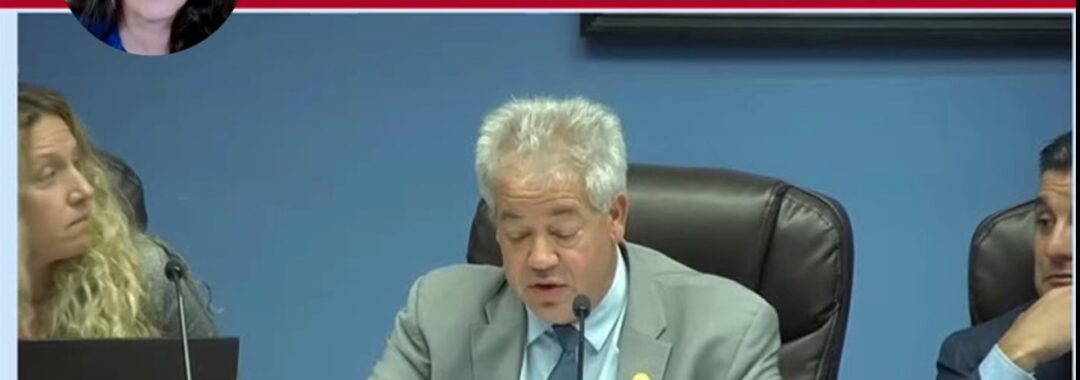
At a recent town board meeting, it was stated that the board reviews 485-b exemption applications. I addressed this at Courtesy of the Floor: the exemption is granted as of right to any eligible applicant once the local law is adopted as written. There is no meaningful discretionary review — if an application meets the criteria, it’s approved. Characterizing that as a board “review” overstates the oversight actually taking place.

Misstatement #2: “The state offers 100% exemption.”

In response to my comments, the Supervisor said that the state offers a 100% tax exemption. It does not. The State law begins at 50% of the increase in assessed value in the first year and declines by 5% annually over 10 years. It never reaches 100% at any point. Furthermore, the state law is specifically written to allow municipalities to target the exemption strategically — restricting it by business type and by geographic area to ensure it serves genuine community and economic development goals. Yorktown has chosen none of that precision. We offer the exemption broadly, to any eligible applicant, anywhere in town — which is a local policy choice, not a state requirement.

Correcting these misstatements matters because the entire justification for our current 485-b policy rests on them. Once you understand that we choose the maximum exemption and that applications receive minimal scrutiny, the policy looks very different.

What Responsible Development Policy Actually Looks Like

Yorktown doesn’t need to choose between welcoming development and protecting residents. Those goals are compatible — but only when development is guided by a clear, community-driven vision rather than reacting to whatever application lands on the board’s desk.

A residents-first approach to development means asking a few basic questions before any incentive is granted: Does this project fill a genuine community need? Is it in the right location — near transit, in a walkable area, consistent with how neighbors want their community to grow? Does it include components that serve the public — affordable housing, green building standards, preserved open space? And critically: what does it cost taxpayers, and does the public benefit justify that cost?

An updated Comprehensive Plan — something Yorktown has needed for years — would answer these questions in advance, giving both residents and developers a clear framework. Instead of case-by-case reactions, we’d have a shared vision: what kinds of projects belong where, what incentives are warranted, and what trade-offs the community is willing to make. Developers actually benefit from this clarity too. It reduces uncertainty and allows them to design projects that will have genuine community support.

The environmental dimension of this matters as well. Directing development to appropriate locations reduces sprawl, preserves natural areas, and positions Yorktown for a more sustainable future. That’s not anti-development. That’s smart development.

Why the Current 485-b Policy Falls Short

A tax incentive should do exactly that: incentivize something the community wants more of, in places the community wants it. Our current 485-b policy, as applied, doesn’t meet that standard.

When the same maximum exemption is available regardless of project type, location, or public benefit, it isn’t a strategic tool — it’s a giveaway. Over the past several years, these exemptions have cost Yorktown homeowners nearly $1.7 million in cumulative revenue. That’s not a small number, and there’s been no systematic accounting of what the community received in return.

Meanwhile, the oversupply created by years of incentivizing new commercial space — regardless of whether the market could support it — has consequences we’re only beginning to reckon with. New commercial buildings go up, but the tenants filling them are often businesses simply relocating from one Yorktown address to another. No new jobs, no new economic activity — just a new building collecting a tax exemption while the previous location sits vacant. As empty storefronts accumulate and property values soften, commercial property owners file tax certiorari challenges — essentially the commercial equivalent of grieving your home assessment — arguing their property is worth less and their tax bill should be reduced. When successful, the town must refund taxes already collected and lower future bills. The fiscal exposure adds up quickly, and homeowners make up the difference.

What I Hope This Committee Will Do

I genuinely hope this review leads somewhere meaningful. A serious committee would examine whether existing 485-b projects delivered on their promised benefits, compare our incentive levels to neighboring municipalities, and recommend reforms that tie any future exemptions to specific, measurable community outcomes — affordability, sustainability, genuine economic need.

Most importantly, I hope this process includes the community. Residents should have a voice in defining what “good development” means for Yorktown before the next application is approved, not after.

Yorktown can be a place that grows thoughtfully — welcoming the right projects in the right places, protecting what makes our community worth living in, and ensuring that when we offer public incentives, the public genuinely benefits. That’s the standard our policy should meet.

Yorktown Democratic Committee Unanimously Endorses Jann Mirchandani For Yorktown Supervisor

Longtime resident and small business owner brings decades of financial, nonprofit, and consensus-building experience to the race

YORKTOWN, NY — The Yorktown Democratic Committee today announced its unanimous endorsement of Jann Mirchandani as its candidate for Yorktown Supervisor in 2026. The endorsement reflects the committee’s confidence in Mirchandani’s proven leadership, deep roots in the community, and her commitment to bringing steady, transparent governance to Yorktown.

Mirchandani, a 20-year Yorktown resident, small business owner, and mother whose children attended Yorktown schools, has spent her career building the skills that the Town Supervisor’s office demands: 10 years in the financial services industry, 25 years running her own business in Yorktown, and 35 years of nonprofit board leadership overseeing multi-million dollar budgets.

“Jann is exactly the kind of leader Yorktown needs right now,” said the Yorktown Democratic Committee in a statement. “She doesn’t just talk about bringing people together—she has a proven track record of doing it. Her ability to build consensus is not theoretical; she recently led a task force that closed a $640,000 budget gap by bringing together all stakeholders to find solutions everyone could support.”

A Platform of Accountability and Smart Planning

Mirchandani’s campaign is centered on ensuring that developers are held to the same standards as residents. She has pledged to fight overdevelopment that benefits a handful of developers at the expense of the broader community, and to ensure that developers pay their fair share for the traffic and infrastructure impacts their projects create—rather than passing those costs on to taxpayers.

Mirchandani had also pledged to end what she calls “budget whiplash”—the pattern of reactive budgeting that saw Yorktown raise taxes 7% in 2025 followed by a budget freeze in 2026. With $24 million sitting in excess funds while the town creates this kind of budget volatility, Mirchandani argues that Yorktown deserves better.

Dedication and Commitment

Mirchandani’s decision to run for Supervisor for a fourth time underscores a deep and unwavering commitment to the community she calls home. “There is work to do in Yorktown,” Mirchandani said. “I’m not a politician—I’m your neighbor. And I’m the person who won’t give up because I know what this town can be when we have leadership that plans, that governs, and that puts your family’s budget ahead of developer profits.”

The Yorktown Democratic Committee expressed full confidence in Mirchandani’s candidacy. “Jann’s persistence is her strength. She keeps showing up because she believes in this community, and we believe in her. Yorktown is ready for the kind of thoughtful, experienced, consensus-driven leadership that Jann will bring to Town Hall.”

###

About the Yorktown Democratic Committee

The Yorktown Democratic Committee works to support Democratic candidates and promote good governance in the Town of Yorktown, New York. For more information, visit the committee’s website or social media pages.).

Yorktown’s “0% Tax Increase”: Three Things Every Taxpayer Should Know

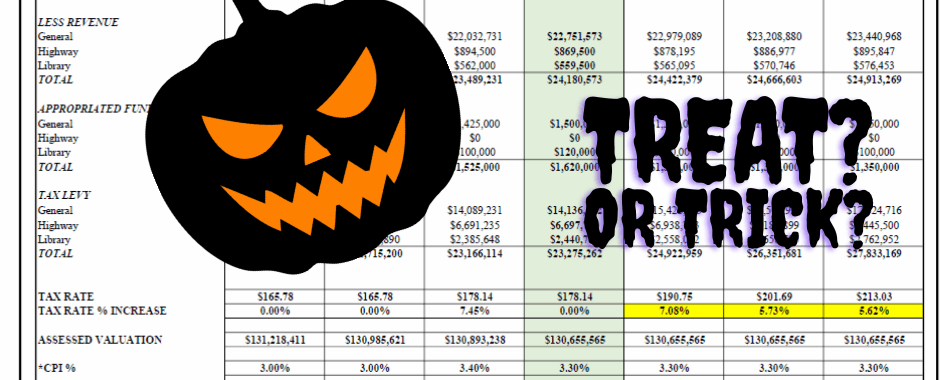
The Town Board is advertising a 0% property tax increase for 2026. Sounds great, right? But here’s what they’re not putting in the headlines.

We’ve Seen This Trick Before—And It’s Already Planned Again

Look at the pattern:

YearTax RateChangeElection Year?
2024$165.780%✓ Yes
2025$178.14+7.45%No
2026$178.140%✓ Yes
2027 (projected)$190.75+7.08%No

Your taxes aren’t staying flat—they’re delayed until after the election.

Freezing Maintenance = Future Costs

The Board’s budget says inflation is 3.3%, yet approximately 150 line items show 0% growth: building maintenance, vehicle maintenance, equipment maintenance, and heating costs.

That seems like very poor planning, given the reality of tariffs, supply chain issues, and other economic drags projected for next year.

Prudent planning suggests that these costs should be increasing.

Your Recreation Fees Are Increasing

While advertising “no tax increase,” here’s what IS increasing:

  • Pool memberships: +11%
  • Summer camp: +8%
  • Youth programs: +6%
  • General recreation fees: +15%

The Board is raising nearly $90,000 from recreation fees. That means that fees are going up, or the Board is making very optimistic assumptions about our participation rates increasing. Given the pushback from families about the current fees, that seems unlikely.

Leadership Raises vs. Everyone Else

Over three years (2023-2026), the Board voted themselves much larger raises than other town employees:

Position202420252026Total
Supervisor+8.87%0%+7.54%18.68%
Council Members+18.00%0%+11.74%38.18%
Comptroller +5.02%+7.54%*+7.97%23.74%
Average employee+2.44%+2.91%+2.91%8.74%

*This number is not shown in the preliminary budget but is reflected as the 2025 salary in the 2026 tentative budget.

The Bottom Line

When we defer maintenance, put off much-needed infrastructure improvements, and increase fees for town services, double-digit salary increases are a slap in the face to residents and town employees alike.

The 0% property tax increase is an election-year illusion. The Board’s own budget projections prove they know this isn’t sustainable.

Your facilities. Your money. Your choice.


All figures are from the Town of Yorktown’s budget reports. 2026 Tentative Budget. 2025 Preliminary Budget (approved). 2024 Preliminary Budget (approved).

You Can’t Get There From Here

The current Supervisor is seeking re-election based on claims of revitalizing downtown and improving infrastructure.

After seven years on the Town Board—including two as Supervisor—these claims deserve scrutiny.

When Good Timing Isn’t Good Leadership

The recent influx of businesses downtown is welcome, but it’s largely the result of long-term leases from the old A&P and Kmart spaces finally expiring—allowing property owners to attract new tenants. This is how private real estate markets work. It’s not the product of Town Board action, and frankly, it shouldn’t be.

At the March 18th Town Board meeting, the Supervisor himself acknowledged: “…we don’t have a large say in what stores come and what stores go.” This candid admission stands in stark contrast to his campaign rhetoric claiming credit for revitalizing Yorktown Heights and the necessary commercial expansion for our tax base. After all this “revitalization,” our taxes went up 7.4% last year.

Missed Opportunities in Development

Underhill Farms, also part of our “revitalization,” received additional density under our overlay zoning, designed to improve walkability in our hamlet hubs. Yet Underhill Farms sits at a four-way intersection with no direct crosswalk. To reach the opposite corner, pedestrians must cross three busy streets in a circuitous route—or trespass through private property. And taxpayers are footing the bill for paving shoulders, adding turn lanes, and installing new traffic lights; solutions that are barely adequate for current needs, woefully underwhelming as a plan to mitigate this latest development, and are ill-equipped to address future growth. 

A Pattern of Deferred Maintenance and Good Money After Bad

Old Crompond Road tells a similar story. At the September 10, 2019 Board meeting, at the end of the Gilbert administration, the town engineer identified this culvert as a priority in 2019. In late 2025, it remains closed. The incumbent has been on the Board and a participant in every budget cycle for this entire seven-year period.

The pickleball courts are another example—taxpayers paid twice for the same work. They needed a complete redo because they were built atop cracked tennis courts that eventually destabilized, requiring excavation and proper drainage installation.

My Approach: Build on Solid Foundations

As they say, “if you don’t know where you’re going, you’ll probably end up someplace else.” Yorktown needs a roadmap to ensure we get back on course.

Update Our Comprehensive Plan. Our current plan is 15 years old. We need an accurate blueprint that creates a strong sense of community identity while preserving each hamlet’s unique character. This update must address sustainable energy transitions and carbon footprint reduction—changes that will lower both environmental impact and long-term expenses. 

Align Development with Community Goals. Every development proposal should be measured against our comprehensive plan. Does it advance our community’s vision? Does it contribute to walkability, affordability, and hamlet character? Or does it simply maximize developer profit while shifting infrastructure costs to taxpayers? We need enforceable standards that ensure developers deliver on their commitments.

Build Strategic Partnerships. I’ll host an economic development forum working with our advisory boards to bring together community organizations, developers, unions, and potential partners who want to be true community stakeholders—not just extract value. These relationships will help us identify projects that genuinely serve community needs.

Position Yorktown for Success. By updating our comprehensive plan and building strategic partnerships, we’ll be better positioned to compete for state and federal grants. Combined with strategic investment of our excess fund balance for real improvements and proactive maintenance, this approach maximizes every taxpayer dollar while building infrastructure that serves us for decades.

Revitalize Our Hamlets with Purpose. Each hamlet needs context-appropriate development. Yorktown Heights should leverage its proximity to the North County Trailway—creating inviting connections that draw cyclists and walkers into our downtown. Railroad Park could be transformed with the streetscaping improvements that were promised but never delivered to better connect the Trailway to our downtown shops and restaurants. Shrub Oak already has the bones of a walkable hamlet—we need to build on that character with careful infill development. Imagine finally transforming that blighted tire center into a community gathering space.

I don’t have all the answers. No one person does. I know none of this is a quick fix. Strategic planning takes time and genuine community input. It’s hard work.

But the alternative is settling for what developers are willing to give us.

The incumbent has had ten years to provide a vision and leadership for Yorktown.

I believe it’s time for change.

From Problems to Solutions: A Vision for Yorktown’s Future

Yorktown is facing its share of challenges. But we also have choices in how we deal with them. From establishing a vacant building registry to reviewing costly tax exemptions to updating our 15-year-old Comprehensive Plan, we need both immediate action and long-term vision. Today, I want to highlight specific policy initiatives that can move our town forward.

Establishing a Vacant Building Registry

Walk through any of Yorktown’s hamlet centers, and you’ll likely notice buildings sitting empty for months or even years. But under current federal and state tax law, property owners can deduct expenses and depreciation on vacant buildings, creating incentives to leave properties empty while waiting for higher rents.

A Vacant Building Registry would eliminate these perverse incentives and create accountability. Buildings vacant beyond a set period must be registered, with owners paying fees and submitting mitigation plans.

This approach has proven successful across New York. Yonkers established its Vacant Building Registry in 2010 and requires owners to register within 30 days of a building becoming vacant, submit annual renewals, and provide a performance guaranty to cover potential city costs of correcting violations. The law’s stated purpose: “to speed the rehabilitation of vacant properties.”

The benefits are clear: registered properties must be maintained, owners face real financial consequences for prolonged vacancies, and our hamlets become more attractive to businesses and residents. Most importantly, it makes it more advantageous to occupy and invest in buildings rather than let them deteriorate.

Reviewing the 485-b Tax Exemption Law

Yorktown’s 485-b tax exemption law gives developers tax breaks for any commercial construction—breaks that have cost taxpayers nearly $1.7 million to date. While tax exemptions can be valuable economic development tools, this one deserves a fresh look.

The question is straightforward: are these tax breaks actually necessary to attract development? Consider the two largest beneficiaries. Optum was already consolidating multiple Yorktown locations to reduce operating costs—would they really have gone elsewhere without a tax break? And Lowe’s, a major national retailer, was seeking a prime location in a growing market—did they need taxpayer subsidies to make it work?

During the 2024 budget process, Supervisor Lachterman said he was open to reevaluating this law. Yet nearly a year later, nothing has been done.

A responsible review means analyzing whether current market conditions justify these exemptions and comparing what we’re giving away against what we’re gaining.

Updating Our Comprehensive Plan

Yorktown’s Comprehensive Plan was adopted in 2010—fifteen years ago. To put that in perspective, when that plan was written, the first iPad had just been released.

Planning experts across the country recommend updating comprehensive plans every 5 to 10 years to remain relevant and effective.

Here’s the urgency: Comprehensive plans typically take 2-4 years to develop, from initial community engagement through final adoption. Yorktown’s current plan took three years to create. If we start the update process now, we won’t have a new plan in place until 2027 or later. An outdated plan means we’re making today’s decisions based on yesterday’s reality.

An up-to-date plan helps prioritize infrastructure, addresses climate resilience, and is often required for state and federal grants.

A Path Forward

These tools are proven. The vacant building registry incentivizes productive use of commercial spaces. The 485-b review ensures we’re not giving away tax revenue unnecessarily. The comprehensive plan update provides the strategic framework we need.

The question isn’t whether we can afford to implement these policies—it’s whether we can afford not to. Every day we delay is another day our hamlet centers struggle, another day property owners benefit from vacancy over occupancy, and another day we make decisions based on outdated assumptions. Inaction is no longer a viable option.

Yorktown Needs to Stop Playing Infrastructure Catch-Up

A Guest Column by Jann Mirchandani, submitted to Yorktown News

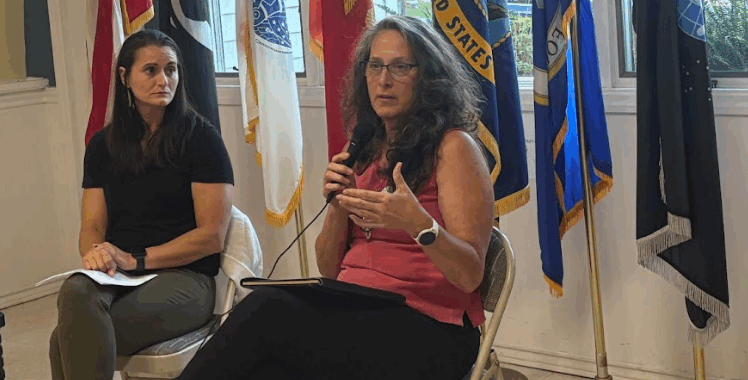
This week, Cait Conley, Candidate for Congressional District 17, and I hosted a community discussion about Yorktown’s infrastructure and housing challenges. What became clear is that our town is stuck in a costly cycle of crisis management when we should be investing in proactive solutions.

The Real Cost of Waiting

Take our sewer issues. We’ve been talking about this problem for decades. Money was allocated years ago, but no action was taken. Now costs have skyrocketed, and we’re still talking. Research shows that every dollar spent on preventive maintenance saves five dollars later—yet we continue to defer essential upgrades until they become emergencies.

Meanwhile, our current leadership celebrates paving the high school commuter parking lot as a major “infrastructure improvement” and “beautifying our parks.” While maintaining parking lots is certainly necessary, calling routine pavement repair a significant infrastructure achievement highlights exactly what’s wrong with our approach. When parking lot repaving gets social media posts with exclamation points, but our sewer system gets years of inaction, our priorities are clearly misaligned.

This reactive approach isn’t just inefficient; it’s expensive. According to a study completed by Utah State University in December 2023, every water main break costs us approximately $10,000 in emergency repairs when you factor in labor, materials, traffic management, and emergency response. And with utility rate hikes looming—NYSEG is seeking 35% increases for delivery rates starting in 2026—the fact that we’re not investing in renewable energy sources for our municipal buildings is particularly short-sighted.

Other communities are doing better. Croton-on-Hudson partnered with Columbia University and private developers to install a solar canopy at their train station—at no cost to taxpayers. The village now receives annual lease payments totalling $500,000 a year, while residents can subscribe to community solar and save on their electric bills.

Housing: The Hidden Infrastructure Crisis

With average home prices in Westchester at $833,161 and over 41% of households paying more than half their income on housing, we’re facing a workforce crisis. Our teachers, police officers, and nurses can’t afford to live here. This isn’t just a housing problem—it’s an economic development problem.

Federal programs like Low-Income Housing Tax Credits and HUD grants can help private developers build affordable housing locally without requiring large municipal investments. But accessing these programs requires proactive planning and coordination.

Our current leadership’s response to the housing crisis has been to approve high-density developments under the banner of addressing housing costs. But when these projects—like the proposed Navajo Fields development in a wetland area—include no affordability requirements whatsoever, they’re not solving the problem for working families.

Building luxury units in environmentally sensitive areas doesn’t make housing more affordable—it just makes developers richer while potentially damaging our natural resources and exacerbating flooding concerns.

What Yorktown Needs Now

We need leaders who understand that investing in infrastructure isn’t just about fixing what’s broken—it’s about building systems that work for the future. We need to:

  • Pursue federal resilience grants for proactive infrastructure upgrades
  • Coordinate with Westchester County on regional solutions like our sewer system
  • Leverage programs that help developers build housing that is affordable at a variety of price points
  • Implement community solar projects that benefit renters and homeowners alike

Time to Lead

Ten years is a significant tenure in local government—long enough to implement meaningful change, complete major projects, and move a community forward. Instead, Yorktown has been stuck in crisis management mode, celebrating parking lot repairs while real infrastructure challenges go unaddressed.

The question isn’t whether we can afford to invest in our infrastructure and housing—it’s whether we can afford not to.

Triangle Shopping Center Project – Missing the Vision for Yorktown’s Future

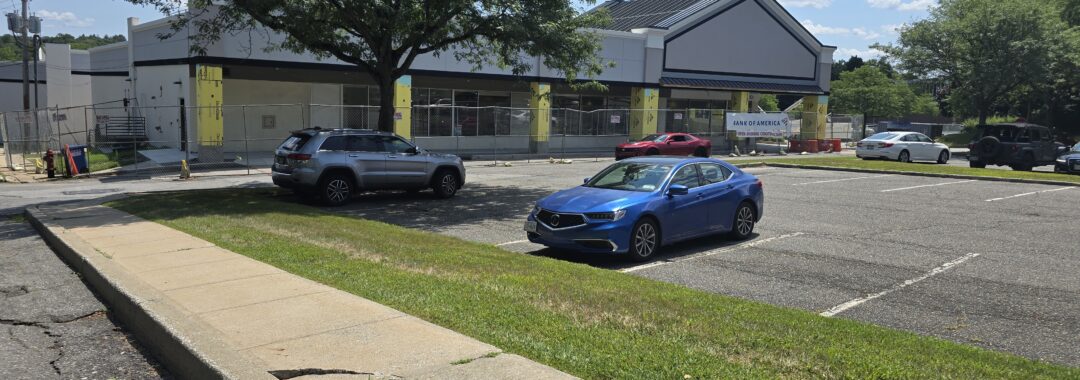
After reading about the Triangle Shopping Center renovation and watching the accompanying Facebook video, I believe residents deserve a more complete picture of what this project actually delivers for our community – and what critical opportunities it misses.

While the $10 million investment in facade updates addresses long-overdue maintenance needs, let’s be honest about what we’re getting: this is cosmetic renovation, not the transformative “investment in Yorktown” that was repeatedly emphasized.

Most notably absent from the celebration was any mention of the locally-owned businesses that continue to serve our community throughout this construction period. For elected officials who frequently champion being “pro-business,” this oversight speaks volumes. These local entrepreneurs deserve recognition and support, not to be overlooked in favor of discussions about attracting national chain retailers.

Property Values vs. Community Character

Supervisor Lachterman’s claim that this shopping development helps property values deserves scrutiny. When we focus on attracting big box stores and national chains, we’re essentially subsidizing regional shoppers who use our roads and infrastructure – which Yorktown taxpayers maintain – while the sales tax revenue gets distributed across all Westchester municipalities. We bear the costs while sharing the benefits.

I don’t share the Board’s enthusiasm for creating what Councilman Murphy calls making “Yorktown a destination.” The kind of destination being celebrated here changes our community’s character in ways that may not benefit residents. Do we want to be the next strip mall town, or do we want to be a place where people choose to live and build their lives?

Councilman Esposito’s excitement about attracting national retailers is particularly striking given his 2021 campaign, when he specifically decried “The Amazon Effect” on local businesses.

What’s Missing from This “Investment”

The project plans reveal what’s absent from this renovation: no solar panels despite our stated commitment to sustainability, no electric vehicle charging stations for our evolving transportation needs, and no community gathering spaces – benches, pocket parks, or other elements that would create genuine neighborhood character rather than just another strip mall.

Most tellingly, there are no meaningful improvements to create the “walkable town” this Board regularly champions. The press release proudly notes that Triangle Shopping Center “is within walking distance of the Yorktown Green center—about 12 minutes, according to Apple Maps.” But if you’ve actually tried to walk between these locations, you know the sidewalks along that route are in desperate need of repair and refurbishment. Measuring walking distance on Apple Maps is meaningless if residents can’t safely navigate deteriorating sidewalks.

Real Investment vs. Private Property Improvements

Let’s be clear about what’s actually happening here: this is not a “$10 million investment in Yorktown” as it’s being celebrated. This is a $10 million investment in much-needed improvements to private property that will primarily benefit the owner through increased rents from the national chain retailers they’re courting (and they only need to apply for a 10-year tax exemption on the improved value of the property to receive it). Meanwhile, our community gets the traffic, infrastructure wear, and regional shoppers while the property owner reaps the financial rewards.

Real community investment would mean putting resources into ourselves – supporting local businesses that keep money circulating in our community, creating gathering spaces where neighbors connect, and building infrastructure that serves residents, not just consumers. I want to see Yorktown attract young families and seniors who can downsize while staying near friends and family, not just become a pit stop for regional shoppers.

As a candidate for Yorktown Supervisor, I believe we can and must think bigger about our community’s future. We deserve leadership that creates a genuine vision for Yorktown as a place where people want to build their lives, not just a destination where people shop and leave.

Sincerely,
Jann Mirchandani
Candidate for Yorktown Supervisor

Setting the Record Straight: Ed’s Non-Answers on Navajo Fields

Here is a follow-up on my remarks at the Public Hearing on adding the Navajo Fields project to the Overlay District. Ed tried to respond to my concerns about the Navajo Fields project, but he dodged the tough questions and used misleading talking points. The facts matter, and Yorktown residents deserve straight answers about irresponsible development and our infrastructure capacity.

Watch as I break down his response and set the record straight. We need leaders who will be honest about the challenges our town faces, not ones who deflect and dodge accountability.

It’s time for new leadership that puts residents first. 🏘️

#YorktownNY #NavajoFields #Infrastructure #Leadership #Accountability #YorktownSupervisor #LocalPolitics #BreakUpWithTheBoard #JannCan

Building Without a Blueprint: Yorktown’s Infrastructure Challenge

Development and infrastructure should move like oars on a rowboat—pulling together in rhythm to move forward efficiently. But in Yorktown, we’re witnessing a concerning pattern where development outpaces infrastructure, leaving us veering off course.

As high-density housing projects advance across our town, we’re seeing a troubling disconnect between growth and the foundational services that support it. When we approve developments before confirming infrastructure capacity, we’re left with unsuitable projects—projects that may look viable on paper but can’t actually support what is promised. This isn’t just about convenience—it’s about public safety, quality of life, and responsible planning.

Safety Services Stretched Thin

Our volunteer fire departments and ambulance corps have served Yorktown admirably for decades, but have we conducted a comprehensive assessment of how multiple high-density developments will impact their capacity? These dedicated volunteers already respond to emergencies across our growing community. Adding hundreds of new residents without ensuring adequate emergency response capabilities puts everyone at risk.

Volunteer services work when call volumes are predictable and manageable. But rapid residential growth without corresponding infrastructure investment, including capacity, equipment, and training, creates dangerous gaps in our safety net.

Transportation: The Cart Before the Horse

The Underhill Farms development exemplifies this backwards approach. Dense housing construction is proceeding before the road improvements needed to handle increased traffic are in place. Residents in these new units will be moving in while the work necessary to address traffic concerns has yet to be started, with changes still being discussed.

This creates immediate problems for new residents and existing neighbors alike—longer commutes, safety concerns, and frustrated drivers navigating inadequate roadways.

The Sewer Mirage

Perhaps most concerning is the Navajo Fields situation, where promises of sewer infrastructure are being used to justify development before the necessary approvals are obtained. The Town Board is being asked to vote on adding this project to the overlay district—essentially changing zoning rules for this specific development—before the county has determined whether the promised sewers can even be built.

County sewer decisions must consider the cumulative impact across multiple municipalities, including development pressures in Somers, Cortlandt, and Peekskill. Yorktown cannot make land use decisions based on infrastructure that may never materialize.

A Pattern of Poor Planning

These examples reveal a troubling pattern: development decisions are being made before the infrastructure needed to support them is secured. It’s like installing plumbing after the walls are already up—technically possible, but unnecessarily disruptive and expensive for everyone involved.

Responsible growth requires coordination. Development and infrastructure must advance together, each enabling the other in a carefully choreographed process that protects both current residents and newcomers.

The Path Forward

Yorktown needs to establish clear infrastructure benchmarks before approving high-density projects. This means:

  • Comprehensive emergency services capacity studies before major residential approvals
  • Transportation impact assessments with required improvements completed before occupancy
  • Firm infrastructure commitments from county and state agencies before zoning changes
  • Public transparency about the true costs and timeline of supporting development

Growth isn’t inherently bad, but unplanned growth is irresponsible. Our residents deserve development that enhances our community rather than straining it.

The question before us is simple: Will we continue letting development lead while infrastructure follows breathlessly behind, or will we insist they move forward together, as true partners in building Yorktown’s future?